Foundation Repair Cost (2026 Pricing Guide)
Foundation repair costs $500–$30,000+ depending on what's wrong. A cosmetic crack runs $250–$800. Slab leveling: $500–$5,000. Push or helical piers: $1,500–$3,500 per pier. Full underpinning on a settling house: $15,000–$40,000. The right diagnosis is the entire battle — wrong-method repairs fail within 2–5 years.
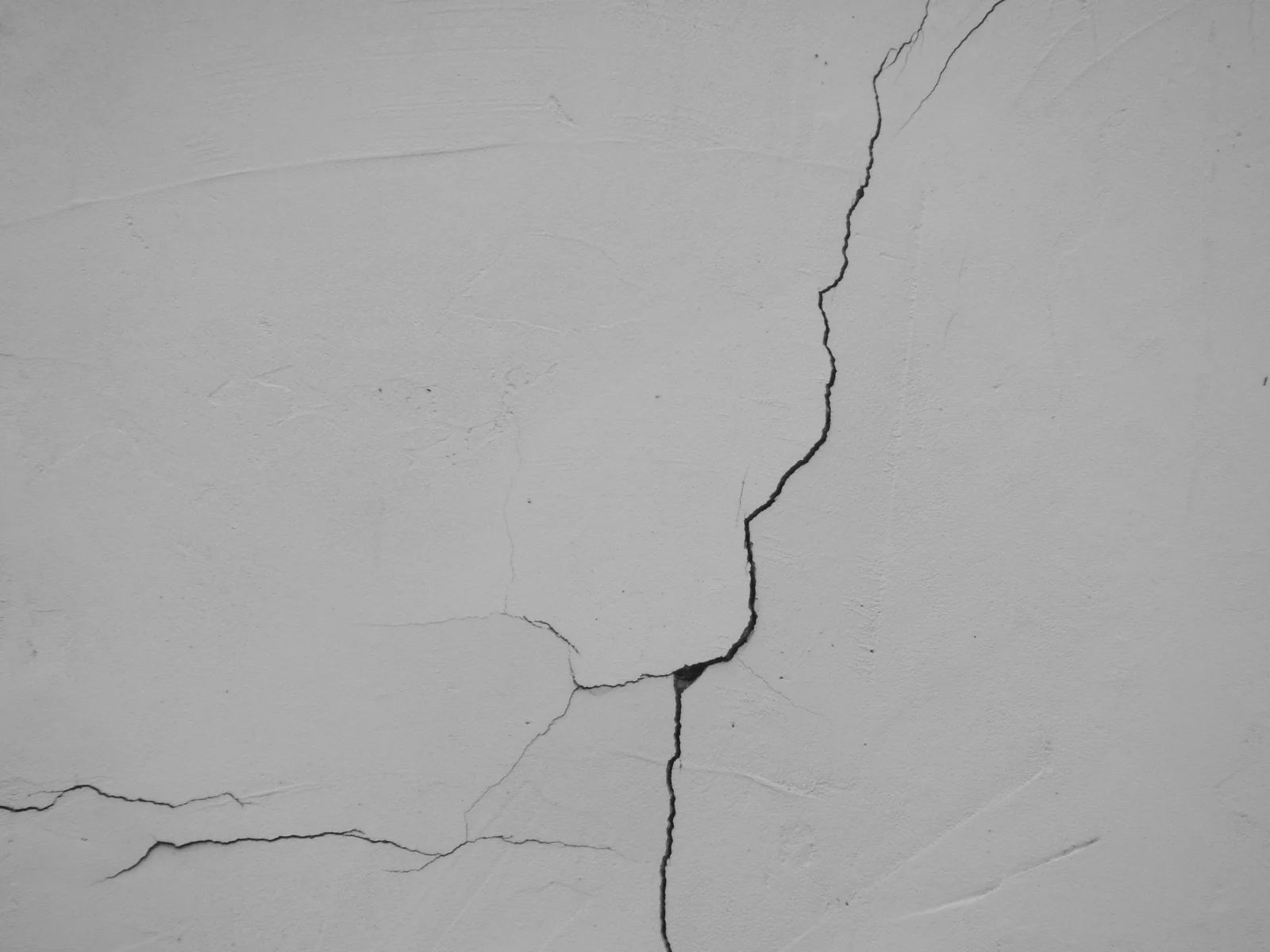
TL;DR — Cost by repair type
- Cosmetic crack repair: $250–$800 (DIY caulk fine for under 1/8" wide)
- Structural crack injection (epoxy): $500–$2,500
- Mudjacking (slab leveling): $500–$3,000
- Polyurethane foam injection: $1,500–$5,000
- Carbon fiber wall straps (bowing wall): $4,000–$10,000
- Push pier underpinning: $1,500–$2,500 per pier (typically 4–8 needed)
- Helical pier underpinning: $2,000–$3,500 per pier
- Full underpinning (10+ piers, major settling): $15,000–$40,000
- Basement waterproofing + interior drainage: $3,000–$12,000
- Structural engineer assessment (separate): $400–$800 — often credited toward repair
State-level estimates apply BLS Regional Price Parity (2022) to a national mid-project value of $7,500. Get a structural engineer report before signing any repair contract over $5,000.
The honest answer — get an engineer first
Foundation repair is the home improvement category most distorted by sales-driven misdiagnosis. A foundation contractor's job is to fix foundations. A structural engineer's job is to tell you whether your foundation needs fixing at all. Those incentives are different, and they show up in the recommendation. Roughly 25–35% of "you need piers" sales pitches turn out to be unnecessary on independent engineer review — usually it's a single crack the homeowner can monitor for a year instead of underpinning the house for $20,000.
Spend the $400–$800 on a structural engineer's report before signing any contract over $5,000. Most foundation companies credit the engineer fee toward the repair if you hire them, so you're not paying twice. The engineer's report also locks in scope — if a contractor adds work mid-project, the engineer's spec is your reference.
Beyond diagnosis, the cost driver is method. Repair methods range from $250 caulk-and-paint to $40,000 full underpinning, and they're not interchangeable. A cosmetic crack that gets sold "pier installation" is overkill. A settling foundation that gets sold "epoxy injection" is a failure waiting to happen. Method should be matched to root cause, which is what the engineer report decides.
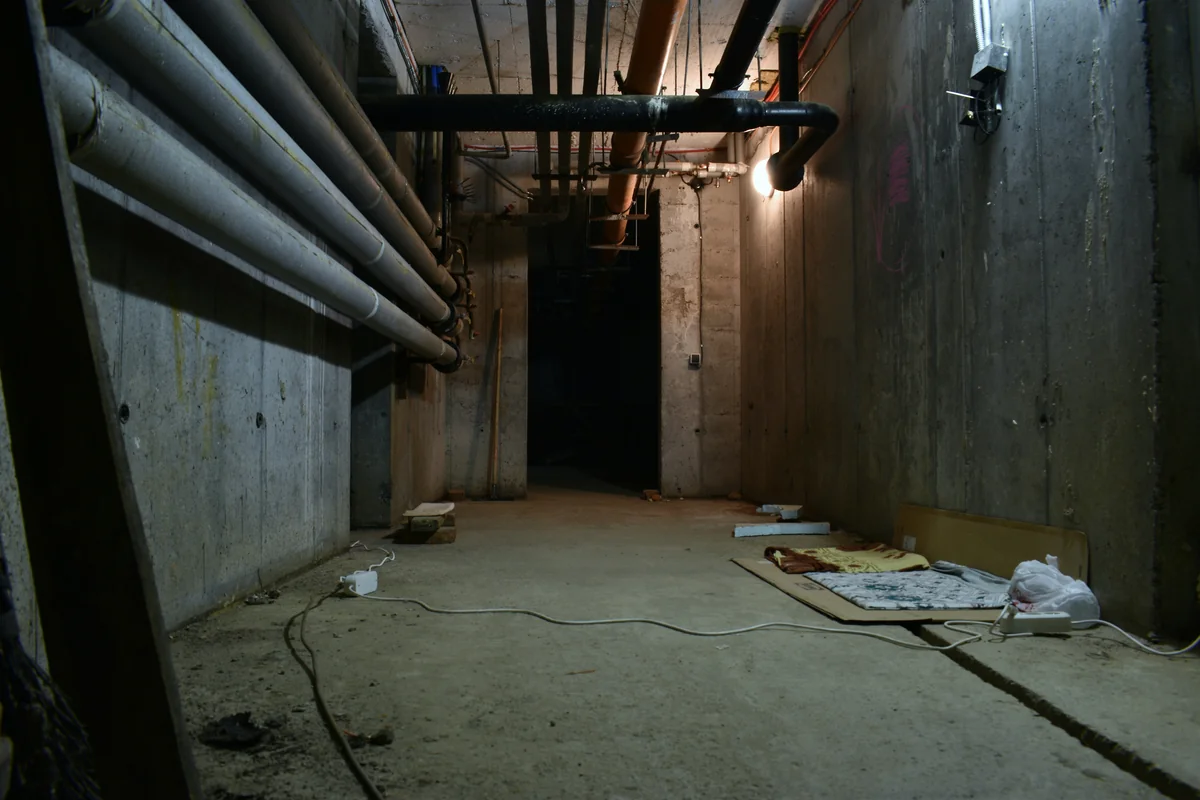
Cost by repair type — what you actually pay for each method
Cosmetic crack repair — $250–$800
Hairline cracks under 1/8 inch wide, running vertically, are usually concrete shrinkage from initial cure. They're cosmetic, not structural. DIY repair with caulk or hydraulic cement: $30–$100 in materials. Pro repair (cleaner finish, blends with wall texture): $250–$800. Doing nothing is also fine — these cracks don't grow.
Structural crack injection (epoxy or polyurethane) — $500–$2,500
For cracks 1/8 to 1/2 inch wide where the wall is solid but the crack penetrates fully. Epoxy injection seals the crack and restores about 90% of the wall's structural integrity. Polyurethane is used when water is actively flowing through the crack — it expands and seals against active moisture. Cost depends on crack length and number of injection ports needed. A single 6-foot crack: $500–$900. Multiple cracks or longer runs: $1,200–$2,500.
Slab leveling — mudjacking — $500–$3,000
A sunken slab (driveway, patio, garage floor, basement floor) gets raised by pumping a cement-and-soil slurry through drill holes underneath. The slurry fills voids and lifts the slab back to grade. Lasts 10–15 years before the underlying soil shifts again. Best for slabs not under structural load (driveways, walkways) and when budget matters more than longevity.
Slab leveling — polyurethane foam injection — $1,500–$5,000
Same job as mudjacking but with expanding polyurethane foam instead of cement slurry. Lasts 25+ years. Foam weighs about 5% of mudjacking slurry, so it puts less load on already-weak soil — preferred when the original sinking was caused by soil shifting. Cures in 15 minutes vs 24 hours for mudjacking. For driveways and pool decks where you don't want to repeat the job in a decade, foam wins.
Carbon fiber wall straps — $4,000–$10,000
When a basement wall is bowing inward from outside soil pressure, but not yet seriously compromised, carbon fiber straps glued vertically across the inside surface hold the wall in place. Each strap covers about 4 feet of wall length and costs $400–$700 installed. A typical basement wall needs 8–12 straps. Carbon fiber is non-invasive and aesthetic — paint over them and they disappear. Only works on walls bowed up to 2 inches; beyond that, you need anchors or excavation.
Helical and push piers (underpinning) — $1,500–$3,500 per pier
When the foundation is settling — sinking unevenly into shifting soil — piers transfer the home's weight onto stable subsoil or bedrock below. Push piers ($1,500–$2,500/pier) are driven hydraulically until they hit refusal. They use the house's weight as the driving force, so they only work on heavier homes. Helical piers ($2,000–$3,500/pier) are screwed into the soil like giant corkscrews, working in any soil type and on any home weight including new construction.
A typical settling repair needs 4–8 piers along the affected foundation section. Multiply by per-pier cost for a project estimate. A full perimeter underpinning of a small house (10–15 piers) runs $15,000–$40,000.
Basement waterproofing + interior drainage — $3,000–$12,000
Not strictly "foundation repair" but often paired with it. Interior French drain along the basement perimeter, sump pump, and waterproof coating on the walls. A basic interior system (perimeter drain + sump): $3,000–$6,000. Full system with vapor barrier + battery backup pump: $6,000–$12,000. Exterior waterproofing (excavating around the foundation): $15,000–$40,000 — rarely worth it unless interior fails and you're already excavating.
State-by-state pricing (mid-project total)
Per-project cost across all 50 states + DC. These figures represent a mid-severity multi-method project — typically epoxy injection + carbon fiber straps + drainage upgrade, or 4–5 piers + minor crack work. Estimates apply BLS Regional Price Parity (2022) to the national mid of $7,500. Highest: DC ($9,075), Hawaii ($8,775), California ($8,700). Lowest: Arkansas ($6,375), Mississippi ($6,375), West Virginia ($6,450).
| State | Low | Typical | High |
|---|---|---|---|
| Alabama | $1,742 | $6,450 | $21,474 |
| Alaska | $2,147 | $7,950 | $26,469 |
| Arizona | $2,006 | $7,425 | $24,723 |
| Arkansas | $1,721 | $6,375 | $21,224 |
| California | $2,349 | $8,700 | $28,971 |
| Colorado | $2,066 | $7,650 | $25,475 |
| Connecticut | $2,106 | $7,800 | $25,974 |
| Delaware | $2,006 | $7,425 | $24,723 |
| District of Columbia | $2,450 | $9,075 | $30,220 |
| Florida | $2,006 | $7,425 | $24,723 |
| Georgia | $1,864 | $6,900 | $22,974 |
| Hawaii | $2,369 | $8,775 | $29,220 |
| Idaho | $1,864 | $6,900 | $22,974 |
| Illinois | $2,006 | $7,425 | $24,723 |
| Indiana | $1,823 | $6,750 | $22,474 |
| Iowa | $1,803 | $6,675 | $22,224 |
| Kansas | $1,803 | $6,675 | $22,224 |
| Kentucky | $1,762 | $6,525 | $21,724 |
| Louisiana | $1,823 | $6,750 | $22,474 |
| Maine | $1,944 | $7,200 | $23,973 |
| Maryland | $2,127 | $7,875 | $26,223 |
| Massachusetts | $2,228 | $8,250 | $27,472 |
| Michigan | $1,884 | $6,975 | $23,222 |
| Minnesota | $1,944 | $7,200 | $23,973 |
| Mississippi | $1,721 | $6,375 | $21,224 |
| Missouri | $1,803 | $6,675 | $22,224 |
| Montana | $1,864 | $6,900 | $22,974 |
| Nebraska | $1,843 | $6,825 | $22,724 |
| Nevada | $1,965 | $7,275 | $24,223 |
| New Hampshire | $2,046 | $7,575 | $25,224 |
| New Jersey | $2,127 | $7,875 | $26,223 |
| New Mexico | $1,803 | $6,675 | $22,224 |
| New York | $2,329 | $8,625 | $28,721 |
| North Carolina | $1,864 | $6,900 | $22,974 |
| North Dakota | $1,843 | $6,825 | $22,724 |
| Ohio | $1,823 | $6,750 | $22,474 |
| Oklahoma | $1,762 | $6,525 | $21,724 |
| Oregon | $2,066 | $7,650 | $25,475 |
| Pennsylvania | $1,965 | $7,275 | $24,223 |
| Rhode Island | $2,026 | $7,500 | $24,973 |
| South Carolina | $1,803 | $6,675 | $22,224 |
| South Dakota | $1,783 | $6,600 | $21,974 |
| Tennessee | $1,823 | $6,750 | $22,474 |
| Texas | $1,965 | $7,275 | $24,223 |
| Utah | $1,965 | $7,275 | $24,223 |
| Vermont | $2,026 | $7,500 | $24,973 |
| Virginia | $2,026 | $7,500 | $24,973 |
| Washington | $2,167 | $8,025 | $26,723 |
| West Virginia | $1,742 | $6,450 | $21,474 |
| Wisconsin | $1,904 | $7,050 | $23,472 |
| Wyoming | $1,843 | $6,825 | $22,724 |
Source: National mid-project value $7,500 × BLS RPP (2022). Cosmetic crack jobs fall well below the low column; full underpinning of large settling homes can exceed the high column by 30–60%. Always verify with engineer-reviewed scope before signing.
Diagnostic — figuring out which repair you need
| What you see | Likely cause | Typical method + cost |
|---|---|---|
| Hairline vertical crack <1/8" wide | Concrete shrinkage (cosmetic) | DIY caulk $30–$100 or pro $250–$800 |
| Wider vertical crack 1/4"+ growing slowly | Minor settling | Epoxy injection $500–$2,500 + monitor |
| Horizontal crack mid-wall | Soil pressure (lateral) | Carbon fiber straps $4,000–$10,000 |
| Stair-step crack in brick or block | Differential settling | Push or helical piers $1,500–$3,500 each |
| Doors/windows binding suddenly | Frame shifting from settling | Engineer assessment first $400–$800 |
| Sloping floors (marble rolls) | Foundation settling or sagging | Engineer + likely piers $7,500–$25,000 |
| Sunken garage floor or driveway slab | Soil washout under slab | Mudjacking $500–$3,000 or polyfoam $1,500–$5,000 |
| Wet basement floor after rain | Drainage failure | Interior drain + sump $3,000–$6,000 |
| Bowing basement wall (visible inward curve) | Lateral soil pressure (severe) | Carbon fiber $4K–$10K OR wall anchors $10K–$25K |
Estimate your specific cost
Calculator gives a rough range based on problem type, foundation type, severity, and access. Always get a structural engineer's report before signing any contract over $5,000 — the cost ranges above are wide because diagnosis is the whole game.
Five rules for not getting overcharged
1. Engineer first, contractor second. A structural engineer doesn't sell repairs — they tell you what's needed. Pay $400–$800 for the report; most foundation companies credit it toward the repair if you hire them.
2. Get three quotes from different methods if possible. If one contractor says piers and another says carbon fiber, that's a sign the diagnosis isn't settled. Three quotes also lock in scope.
3. Watch for "today only" pressure. Foundation work doesn't get cheaper with same-day commitments. Companies that pressure on the first visit are running a sales model, not a structural engineering model.
4. Insist on a transferable lifetime warranty for piers and major work. Reputable foundation companies offer this — transferable means it follows the property if you sell. This is the warranty that protects your resale value.
5. Verify pier specs against engineer report. If the engineer specs helical piers and the contractor wants to substitute push piers, that's a $500–$1,000 per pier reduction that should pass through to you, not become contractor margin.
DIY or hire a pro?
DIY scope for foundation work is genuinely small but real. Cosmetic crack sealing (caulk and paint for cracks under 1/8 inch): $30–$100 in materials. Watching for crack growth with pencil marks and dates over 6 months: free, and tells you whether you need an engineer. Cleaning out clogged exterior drains and downspout extensions: $20–$60. Beyond that — anything structural, anything involving load transfer — is pro work with engineer oversight.
| Your situation | Recommendation |
|---|---|
| Hairline cosmetic cracks <1/8" | DIY caulk + paint, monitor over 6 months |
| Cracks 1/8" to 1/4", stable over 6 months | DIY epoxy injection kit ($60–$150) acceptable |
| Cracks growing, binding doors, sloping floors | Engineer first, then pro repair |
| Wet basement after rain | Check downspouts and grading DIY first; pro drainage if still wet |
| Bowing walls, stair-step cracks, major settling | Always hire — engineer + foundation specialist |
Frequently asked questions
How do I know if my foundation needs repair vs is just cosmetic cracking?
Mudjacking vs polyurethane foam — what's the difference?
Helical piers vs push piers — which do I need?
Does homeowners insurance cover foundation repair?
How long does foundation repair take?
Will foundation repair affect my home value?
I see a crack in my foundation — should I panic?
More foundation repair guides
Deep-dives covering specific scenarios, brand choices, and decision points for this service.
- Basement Waterproofing Cost 2026: Interior vs Exterior � →
- Bowing Basement Wall Repair Cost 2026: Carbon Fiber + Anchors � →
- Foundation Crack Repair Cost 2026: By Crack Type � →
- Foundation Damage Insurance Claim Guide 2026 � →
- Foundation Inspection Cost 2026: Engineer vs Contractor � →
- Foundation Pier Installation Cost 2026: Helical, Push, Concrete � →
- Foundation Repair Cost by Type 2026: Slab, Crawl, Basement � →
- Settling Foundation Repair Cost 2026: Underpinning + Lift Methods � →
About this data. National baseline of $7,500 derives from aggregated 2026 quote data across major lead-gen platforms. State-level figures apply Bureau of Labor Statistics Regional Price Parity (2022, all-items) to the national baseline. We refresh quarterly and welcome corrections — email [email protected] if a local quote you received falls materially outside our state range. See full methodology.