Roof Replacement Cost (2026 Pricing Guide)
A new roof for a typical 2,500 sq ft American home runs $5,500–$25,000 installed, with mid-range architectural asphalt landing at $11,000. Material choice swings the price 3–5×: asphalt $5,500–$15,000, metal $15,000–$35,000, tile $20,000–$45,000, slate $40,000–$80,000+. Tear-off layers, roof pitch, and decking condition fill in the rest of the bill.
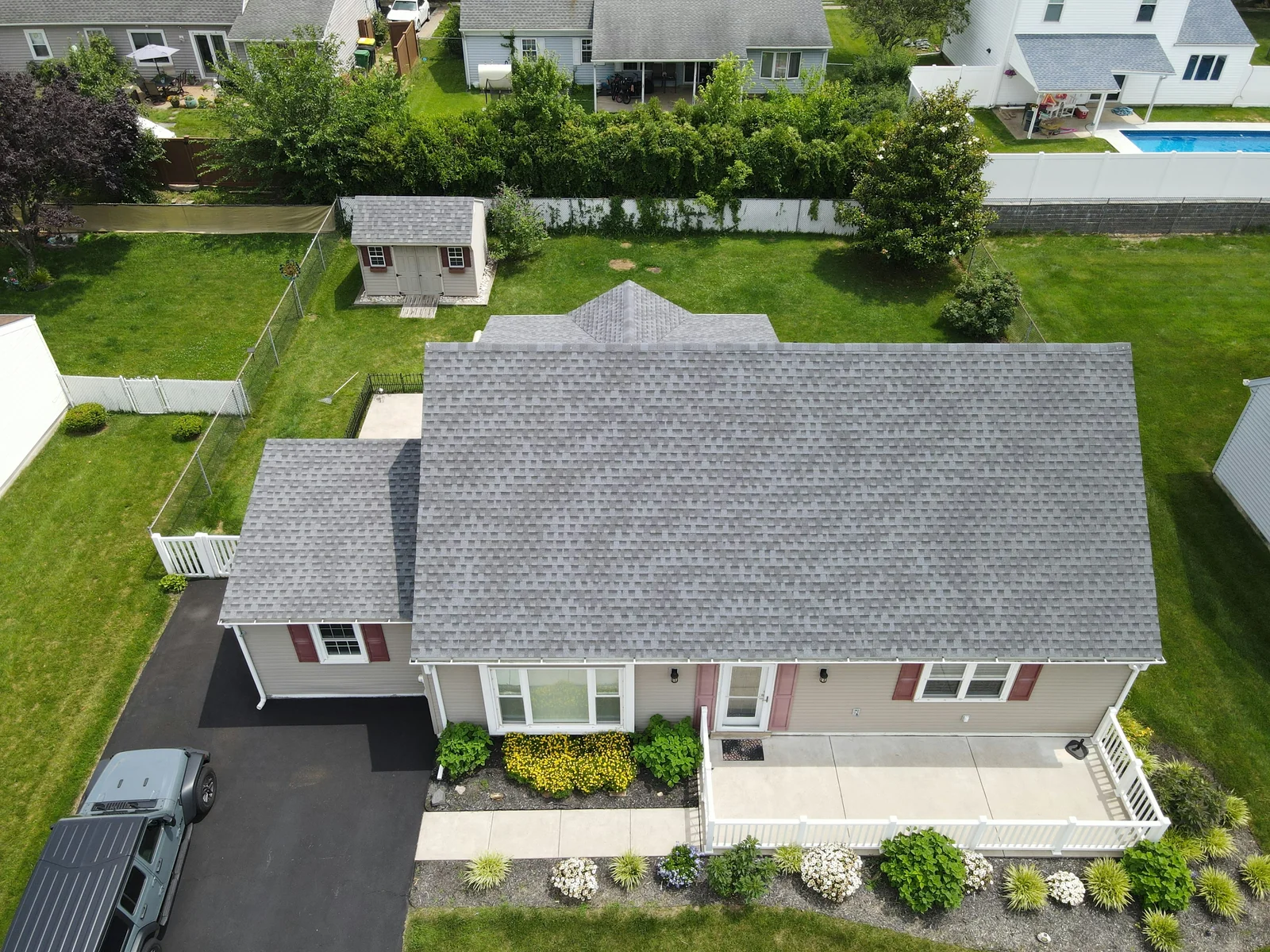
TL;DR — Per square foot (of roof area) by material
- Asphalt 3-tab (basic, 15–20 yr life): $2.50–$4.00/sq ft
- Architectural asphalt (volume default, 25–30 yr): $4.00–$6.50/sq ft
- Premium / impact-rated architectural: $5.50–$8.50/sq ft
- Metal standing seam (40–70 yr): $9.00–$18.00/sq ft
- Metal corrugated / ribbed: $7.00–$13.00/sq ft
- Clay or concrete tile (50+ yr): $10.00–$22.00/sq ft
- Slate (75+ yr): $20.00–$40.00/sq ft
- National typical project (2,500 sq ft, architectural): $11,000
Roof area ≠ floor area. Multiply floor area by 1.25 for single-story ranch, by 1.10 for two-story (steeper pitches add 5–15% more).
The honest answer
Roofing is the home improvement category most affected by storm-claim sales tactics. After major hail or wind events, dozens of out-of-state crews descend on affected neighborhoods, knock on doors, and offer "free inspections." Roughly 20–30% of these inspections find "damage" that's debatable — and the contractor then files an insurance claim and takes the entire payout. Some of this is legitimate; some is fraud. The right response to a door-knocker is to thank them, take their card, and call a local roofer with at least 5 years of business at the same address before making any decisions.
For non-storm replacements, the biggest cost driver is material. Architectural asphalt shingles are the volume default ($4.00–$6.50/sq ft installed) and the right choice for 70%+ of US homes. Metal roofing is the long-term value tier — 2–3× the upfront cost, 2–3× the lifespan, plus insurance discounts and energy savings. Tile and slate are premium / regional / historic-match territory.
The second driver is tear-off layers. Most US municipalities allow a maximum of two layers of asphalt shingles before requiring full tear-off. If your existing roof has two layers and you're adding architectural shingles, the demo + disposal alone adds $1.00–$2.00/sq ft to the project. Skip the "we'll just overlay it" pitch from contractors trying to shave cost — you're trading $1,500 saved now for a $3,000 problem when the new layer fails early due to heat trapped by the underlayer.
The third driver is decking condition. The plywood or OSB sheathing under your shingles can rot from water intrusion you can't see. Once the old shingles come off, a contractor inspects every sheet. Replacing 10–30% of decking is common ($45–$75 per 4×8 sheet installed). Full deck replacement (rare, but happens in long-deferred jobs) adds 28% to the total project.
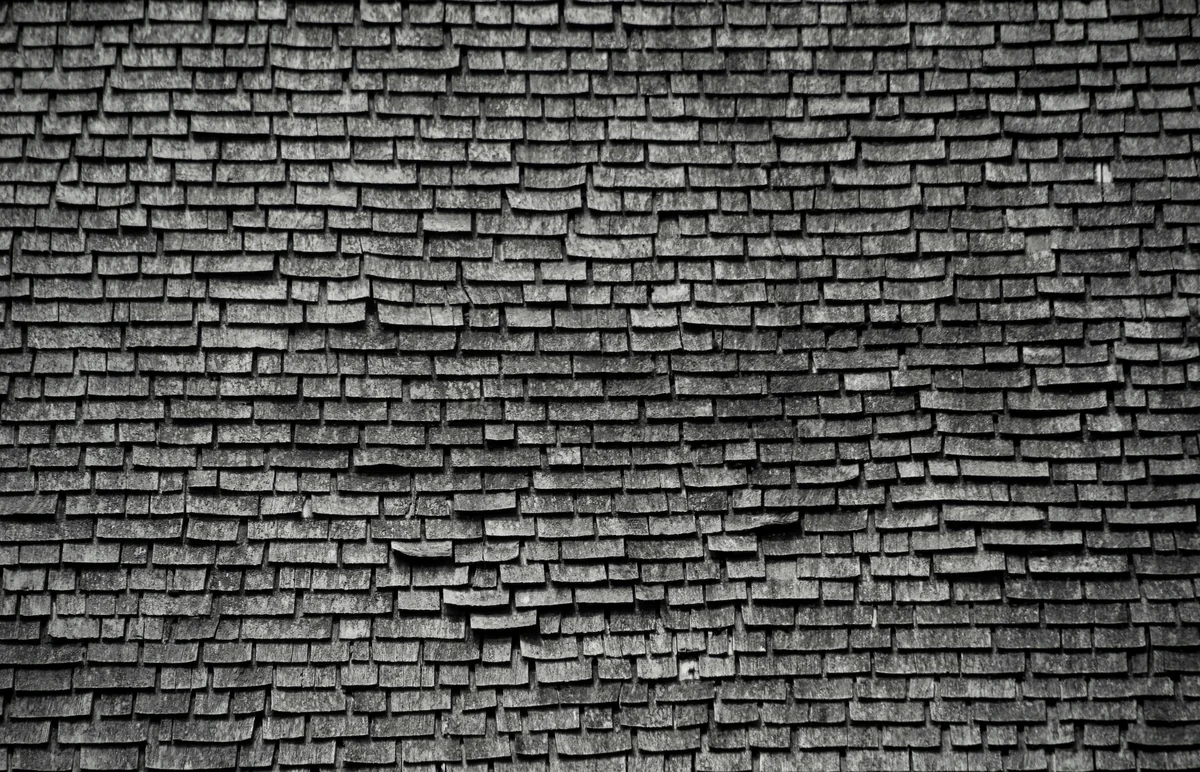
Material comparison — what you actually pay for
| Material | Per sq ft installed | Lifespan | Best for |
|---|---|---|---|
| Asphalt 3-tab | $2.50–$4.00 | 15–20 years | Rental properties, flip houses, tight budgets |
| Architectural asphalt | $4.00–$6.50 | 25–30 years | Volume default; most US homes |
| Premium / impact-rated architectural | $5.50–$8.50 | 30–40 years | Hail-prone regions; insurance discounts |
| Metal (corrugated/ribbed) | $7.00–$13.00 | 40–60 years | Rural, agricultural look, modern designs |
| Metal (standing seam) | $9.00–$18.00 | 50–70 years | Premium look, long stays, hot climates |
| Clay or concrete tile | $10.00–$22.00 | 50+ years | Spanish/Mediterranean style, hot dry climates |
| Wood shake / shingle | $8.00–$14.00 | 20–30 years | Historic match, mountain/lake homes |
| Slate (natural) | $20.00–$40.00 | 75–100+ years | Historic homes, landmark properties, ultra long-term |
State-by-state pricing (typical 2,500 sq ft project)
Per-project installed cost for an architectural asphalt roof on a 2,500 sq ft roof across all 50 states + DC. Estimates apply BLS Regional Price Parity (2022) to the national mid of $11,000. Highest: DC ($13,310), Hawaii ($12,870), California ($12,760). Lowest: Arkansas ($9,350), Mississippi ($9,350), West Virginia ($9,460).
| State | Low | Typical | High |
|---|---|---|---|
| Alabama | $4,730 | $9,460 | $21,474 |
| Alaska | $5,830 | $11,660 | $26,469 |
| Arizona | $5,445 | $10,890 | $24,723 |
| Arkansas | $4,675 | $9,350 | $21,224 |
| California | $6,380 | $12,760 | $28,971 |
| Colorado | $5,610 | $11,220 | $25,475 |
| Connecticut | $5,720 | $11,440 | $25,974 |
| Delaware | $5,445 | $10,890 | $24,723 |
| District of Columbia | $6,655 | $13,310 | $30,220 |
| Florida | $5,445 | $10,890 | $24,723 |
| Georgia | $5,060 | $10,120 | $22,974 |
| Hawaii | $6,435 | $12,870 | $29,220 |
| Idaho | $5,060 | $10,120 | $22,974 |
| Illinois | $5,445 | $10,890 | $24,723 |
| Indiana | $4,950 | $9,900 | $22,474 |
| Iowa | $4,895 | $9,790 | $22,224 |
| Kansas | $4,895 | $9,790 | $22,224 |
| Kentucky | $4,785 | $9,570 | $21,724 |
| Louisiana | $4,950 | $9,900 | $22,474 |
| Maine | $5,280 | $10,560 | $23,973 |
| Maryland | $5,775 | $11,550 | $26,223 |
| Massachusetts | $6,050 | $12,100 | $27,472 |
| Michigan | $5,115 | $10,230 | $23,222 |
| Minnesota | $5,280 | $10,560 | $23,973 |
| Mississippi | $4,675 | $9,350 | $21,224 |
| Missouri | $4,895 | $9,790 | $22,224 |
| Montana | $5,060 | $10,120 | $22,974 |
| Nebraska | $5,005 | $10,010 | $22,724 |
| Nevada | $5,335 | $10,670 | $24,223 |
| New Hampshire | $5,555 | $11,110 | $25,224 |
| New Jersey | $5,775 | $11,550 | $26,223 |
| New Mexico | $4,895 | $9,790 | $22,224 |
| New York | $6,325 | $12,650 | $28,721 |
| North Carolina | $5,060 | $10,120 | $22,974 |
| North Dakota | $5,005 | $10,010 | $22,724 |
| Ohio | $4,950 | $9,900 | $22,474 |
| Oklahoma | $4,785 | $9,570 | $21,724 |
| Oregon | $5,610 | $11,220 | $25,475 |
| Pennsylvania | $5,335 | $10,670 | $24,223 |
| Rhode Island | $5,500 | $11,000 | $24,973 |
| South Carolina | $4,895 | $9,790 | $22,224 |
| South Dakota | $4,840 | $9,680 | $21,974 |
| Tennessee | $4,950 | $9,900 | $22,474 |
| Texas | $5,335 | $10,670 | $24,223 |
| Utah | $5,335 | $10,670 | $24,223 |
| Vermont | $5,500 | $11,000 | $24,973 |
| Virginia | $5,500 | $11,000 | $24,973 |
| Washington | $5,885 | $11,770 | $26,723 |
| West Virginia | $4,730 | $9,460 | $21,474 |
| Wisconsin | $5,170 | $10,340 | $23,472 |
| Wyoming | $5,005 | $10,010 | $22,724 |
Source: National mid $11,000 × BLS RPP (2022). Architectural asphalt baseline. Metal: multiply by 2.1. Tile: multiply by 2.5. Slate: multiply by 4.5. Verify with 2–3 local quotes — roofing pricing varies up to ±20% within a metro depending on insurance-claim vs cash bidding.
Five factors that move your quote
1. Roof square footage. Linear with roof area, not floor area. A 2,500 sq ft floor home has ~3,000 sq ft of roof for single-story ranch, ~1,800 sq ft for two-story (footprint is smaller relative to floor). Roof pitch increases roof area beyond what the footprint would suggest — a steep-pitched roof of the same footprint has 30–50% more surface area than a low-pitched one.
2. Material. See the comparison table above. The 8× spread between asphalt 3-tab and slate dominates total cost more than any other factor.
3. Tear-off layers. No tear-off (new construction): -10% vs baseline. 1 existing layer: baseline. 2 layers: +18%. 3+ layers: +32% (and required by most municipal codes if you currently have 2 layers and want to add more).
4. Roof pitch. Walkable pitch (under 6/12) is baseline. Standard (6/12–9/12): +10% — crews work slower with harnesses. Steep (9/12–12/12): +28% — half the productivity, scaffold-required for some sections. Extreme (12/12+): +50% or more, often requires specialized crew.
5. Decking condition. All good: baseline. Partial replacement (10–30% of sheets): +12% to total project. Full deck replacement: +28%. Decking damage is invisible until tear-off, so always get an "up to N sheets included" written into the quote — typically 5–10 sheets is fair, beyond that you pay per-sheet ($45–$75 installed).
Common roof sizes — total cost reference (architectural asphalt)
| House profile | Roof sq ft | National total (low–high) | Metal upgrade (typical) |
|---|---|---|---|
| Small ranch (1,200 floor) | 1,500 | $6,000–$9,750 ($6,600) | $11,088–$16,632 |
| Standard 3-bed ranch (1,800 floor) | 2,200 | $8,800–$14,300 ($9,680) | $16,262–$24,394 |
| Mid-size 3-bed (2,200 floor) | 2,700 | $10,800–$17,550 ($11,880) | $19,958–$29,938 |
| 2-story 3-bed (2,400 floor) | 1,800 | $7,200–$11,700 ($7,920) | $13,306–$19,958 |
| Large 1-story (3,000 floor) | 3,700 | $14,800–$24,050 ($16,280) | $27,350–$41,026 |
| Large 2-story (4,000 floor) | 2,400 | $9,600–$15,600 ($10,560) | $17,741–$26,611 |
| Estate / sprawling ranch (5,000 floor) | 6,000 | $24,000–$39,000 ($26,400) | $44,352–$66,528 |
Estimate your specific cost
Calculator uses architectural asphalt as the baseline price (~$4.40/sq ft) and applies material/pitch/tear-off multipliers. State multiplier adjusts to local labor and material rates.
Insurance claim vs cash project — how pricing differs
Identical work, different price. A storm-damage replacement covered by insurance typically runs 15–25% higher than the same job priced cash. The reason: insurance claims pay "full retail" code-required materials, including ice-and-water shield on the entire eave, premium drip edge, and code-compliant ventilation upgrades. Cash projects often skip these because the homeowner just wants the cheapest functional roof.
If you're filing a claim, your contractor will price differently — and rightfully so. Just know the spread. Don't be alarmed when an insurance contractor quotes $14,000 for a roof your neighbor cash-paid $11,000 for. The work is different.
| What's included | Cash project | Insurance claim |
|---|---|---|
| Shingles (architectural) | ✓ | ✓ |
| Felt or synthetic underlayment | ✓ basic | ✓ synthetic upgrade |
| Ice-and-water shield (eaves only) | often skipped | ✓ code required |
| Drip edge upgrade | basic | premium aluminum |
| Ridge venting | existing reused | new code-compliant |
| Flashing replacement | reused if intact | new on all penetrations |
| Decking replacement (per sheet) | $45–$75 extra | included up to 10 sheets |
DIY or hire a pro?
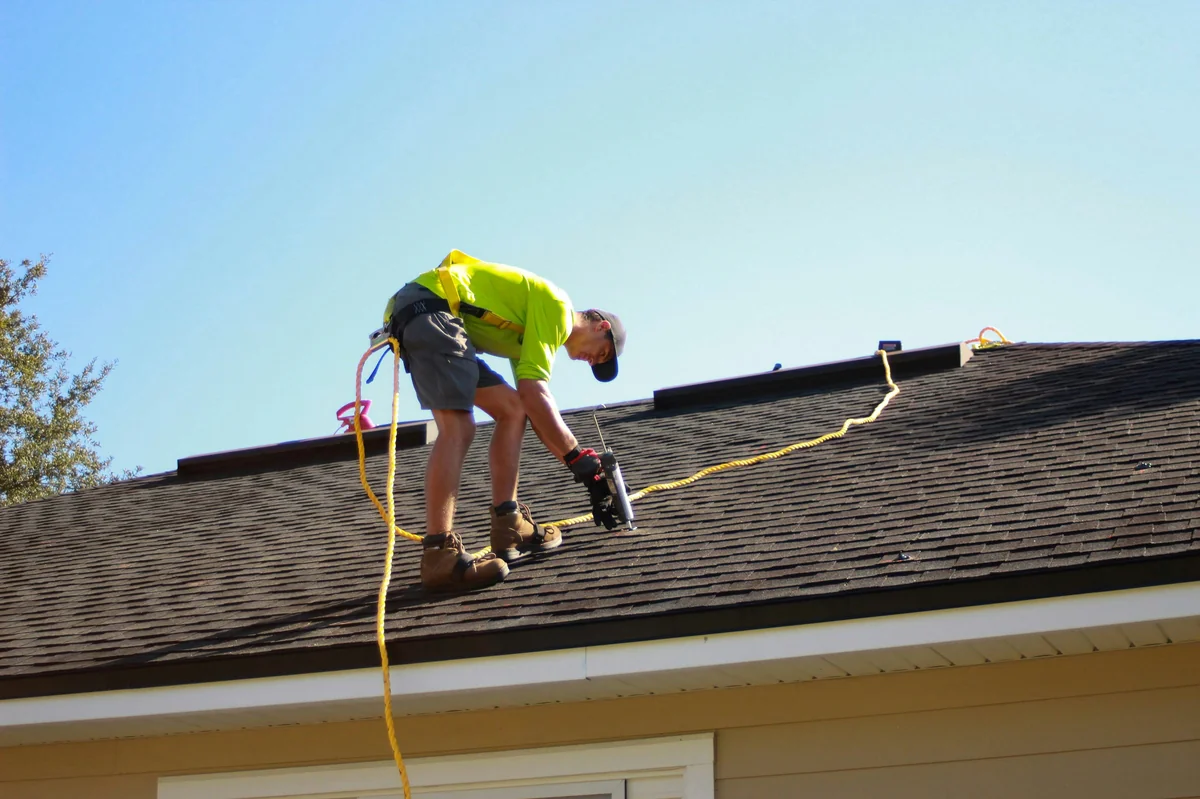
Roof replacement is among the most dangerous DIY projects. Even experienced builders contract roofing because of fall risk — over 60 US homeowners die each year from roof falls during DIY work, and another 4,000+ end up in ERs. Insurance carriers generally don't cover injuries from DIY roof work on your own home. The labor savings vs hired pros ($8,000–$15,000 on a typical job) rarely justify the risk.
Reasonable DIY scope: replacing a single damaged shingle ($30–$80 in materials), cleaning gutters, inspecting from a ladder (don't walk the roof), patching small leaks with roof cement. Anything involving multiple shingles, decking access, or working above the eaves — hire it out.
| Your situation | Recommendation |
|---|---|
| Single missing or damaged shingle | DIY ($30–$80 in materials, 30 min) |
| Small flashing repair around chimney | DIY plausible if comfortable with heights |
| Multiple shingles, partial repair | Hire pro ($300–$2,500) |
| Full roof replacement, any material | Always hire — fall risk and warranty matter |
| Storm damage with insurance claim | Hire pro; use local installer, not door-knockers |
Frequently asked questions
How often do I need to replace my roof?
Asphalt vs metal — which is better?
Roof repair vs full replacement — when do I need each?
What's the labor cost split vs material?
Does insurance cover roof replacement?
Best time of year for roof replacement?
Do I need new gutters when I get a new roof?
More roof replacement guides
Deep-dives covering specific scenarios, brand choices, and decision points for this service.
- Architectural vs 3-Tab Shingles Cost 2026: Lifetime Comparison � →
- Asphalt vs Metal Roof Cost 2026: Lifetime Comparison � →
- GAF vs Owens Corning vs CertainTeed Shingles 2026 � →
- Roof Decking Replacement Cost 2026: Per Sheet, Full Re-Deck � →
- Roof Flashing Repair Cost 2026: Chimney, Valley, Vent � →
- Roof Leak Repair Cost (2026): By Leak Type →
- Should I Replace or Repair My Roof in 2026? � →
- Roof Tear-Off vs Overlay Cost 2026: Code, Quality, ROI � →
- Storm Damage Insurance Claim Guide 2026: Maximize Your Payout � →
- Tile vs Slate Roof Cost 2026: Premium Material Comparison � →
Related cost guides: Vinyl siding cost — re-siding often pairs with roof replacement for combined storm-damage claims and bundled labor discounts.
About this data. National baseline of $11,000 derives from aggregated 2026 quote data across major lead-gen platforms. State-level figures apply Bureau of Labor Statistics Regional Price Parity (2022, all-items) to the national baseline. We refresh quarterly and welcome corrections — email [email protected] if a local quote you received falls materially outside our state range. See full methodology.