Window Replacement Cost (2026 Pricing Guide)
Replacing a single window runs $300–$1,500 installed, with most mid-tier vinyl double-pane jobs landing at $600. A whole-house 12-window swap typically costs $3,420–$17,100. The three numbers that move your quote: frame material, glass package, and whether the existing frame stays or goes.
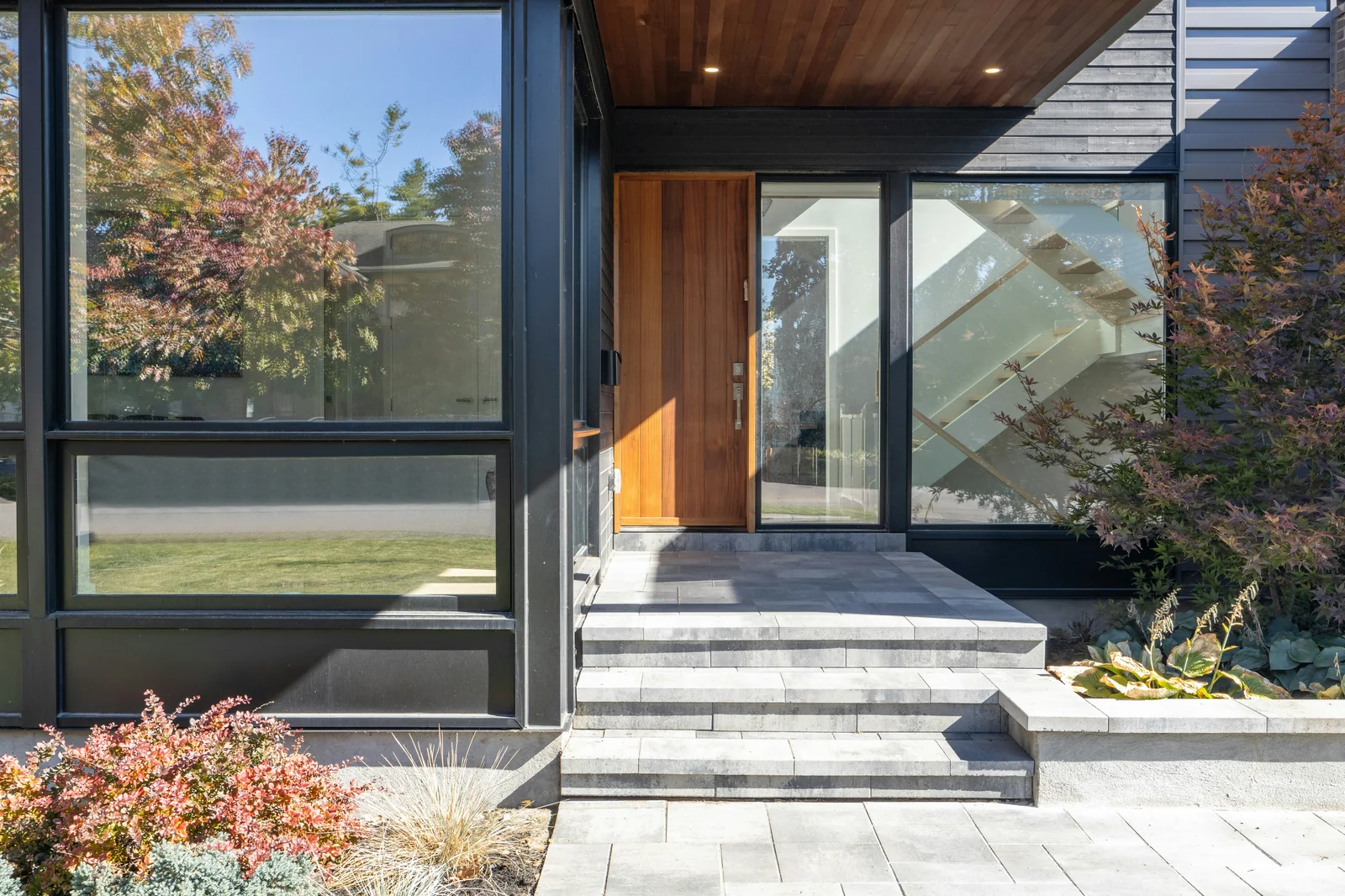
TL;DR — National 2026 ranges (per window, installed)
- Vinyl double-hung, insert install: $400–$800
- Fiberglass, Low-E + argon: $700–$1,200
- Clad wood (Andersen 400, Pella Lifestyle): $900–$1,600
- Full wood (historic match, Marvin Signature): $1,300–$2,400
- Bay or garden window: $1,500–$3,500
- Add for full-frame (rotten frame replacement): +50–60% over insert
- National median (mid-tier vinyl, Low-E, insert): $600/window
Per-window estimates from national pricing × BLS Regional Price Parity (2022). Whole-house jobs typically get 5–10% volume discount.
The honest answer
Windows are the home improvement category with the biggest gap between what good costs and what salespeople try to sell you. The same vinyl double-hung window is "$1,200 installed" at a Home Depot demo, "$1,800 installed" through a knock-on-door window company, and "$650 installed" through a local contractor. The window itself is roughly $200–$350 wholesale. Everything else is markup, demo crew, and financing carry.
The biggest cost driver is frame material. Vinyl is the volume default — 70% of US window replacements are vinyl. Fiberglass costs 30–40% more but lasts 30+ years vs vinyl's 20. Clad wood (wood interior, aluminum or fiberglass exterior) is the premium tier most homeowners pick for a renovation — 60–110% above vinyl. Full wood is historic-match or boutique-builder territory.
The second driver is install type. An insert (pocket) replacement slips a new window into the existing frame — 30–45 minutes per window, $400–$900 typical. A full-frame replacement tears the frame out to the studs — $700–$1,800 per window, required if you see rot, mold, or water damage around the existing window. About 20–30% of replacements need full-frame; most sales reps push it because it's higher margin.
The third driver is glass package. Double-pane Low-E with argon fill is the right tier for 90% of US homes. Triple-pane is worth it in northern zones 5–7 (winter heating dominant). Impact-rated glass is required in coastal hurricane zones (FL, TX coast, GA-SC barrier islands) — adds 80–95% to glass cost.
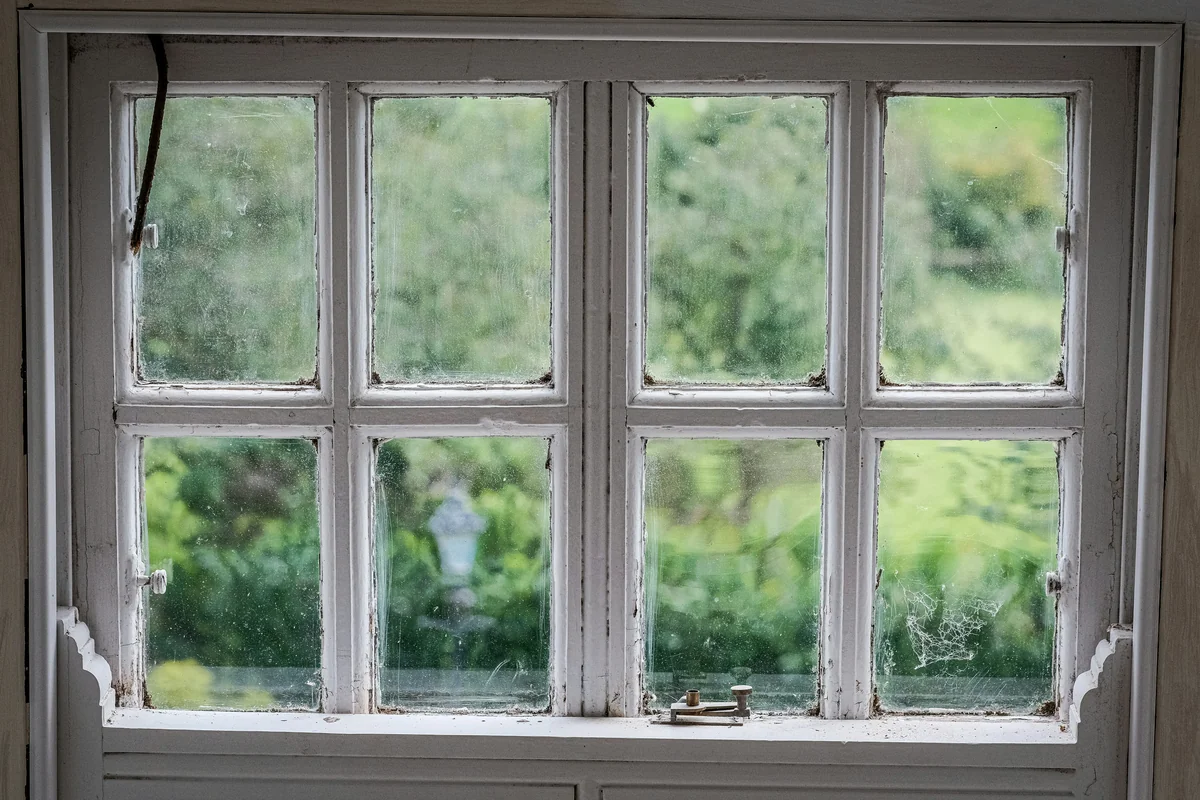
Frame material comparison — what you actually pay for
| Material | Per window installed | Lifespan | Best for |
|---|---|---|---|
| Vinyl | $400–$900 | 20 years | Volume replacements; rental properties; flip houses |
| Aluminum | $450–$950 | 20–25 years | Modern designs, dry climates; poor insulator |
| Composite (vinyl + wood fiber) | $550–$1,150 | 25 years | Wood-look on a budget |
| Fiberglass | $700–$1,400 | 30+ years | Best long-term value; minimal expansion/contraction |
| Clad wood | $900–$1,800 | 30+ years | Renovation premium; historic interior |
| Full wood | $1,300–$2,400 | 40+ years with maintenance | Historic homes; landmark districts; high-end builds |
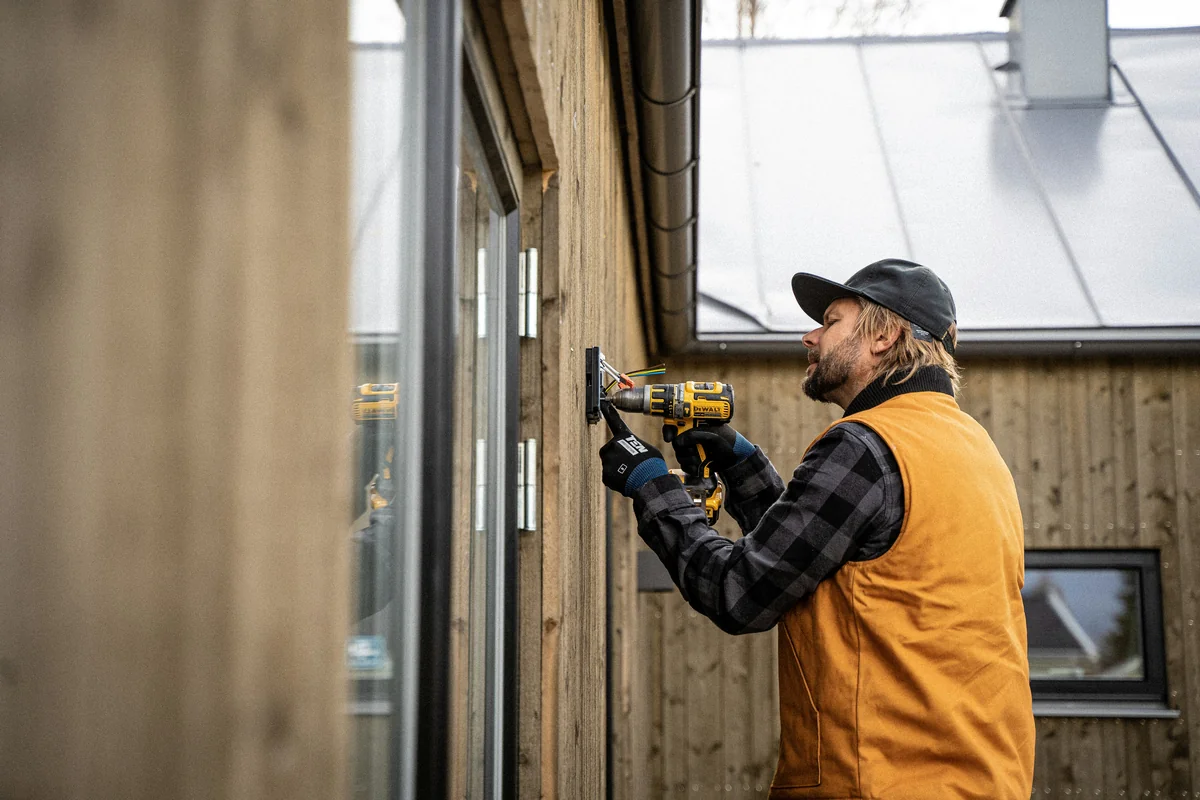
State-by-state pricing (per window)
Installed cost per mid-tier vinyl double-pane window across all 50 states + DC. Estimates apply Bureau of Labor Statistics Regional Price Parity (2022) to the national median of $600/window. Highest: DC ($726), Hawaii ($702), California ($696). Lowest: Mississippi ($510), Arkansas ($510), West Virginia ($516).
| State | Low | Typical | High |
|---|---|---|---|
| Alabama | $258 | $516 | $1,290 |
| Alaska | $318 | $636 | $1,590 |
| Arizona | $297 | $594 | $1,485 |
| Arkansas | $255 | $510 | $1,275 |
| California | $348 | $696 | $1,740 |
| Colorado | $306 | $612 | $1,530 |
| Connecticut | $312 | $624 | $1,560 |
| Delaware | $297 | $594 | $1,485 |
| District of Columbia | $363 | $726 | $1,815 |
| Florida | $297 | $594 | $1,485 |
| Georgia | $276 | $552 | $1,380 |
| Hawaii | $351 | $702 | $1,755 |
| Idaho | $276 | $552 | $1,380 |
| Illinois | $297 | $594 | $1,485 |
| Indiana | $270 | $540 | $1,350 |
| Iowa | $267 | $534 | $1,335 |
| Kansas | $267 | $534 | $1,335 |
| Kentucky | $261 | $522 | $1,305 |
| Louisiana | $270 | $540 | $1,350 |
| Maine | $288 | $576 | $1,440 |
| Maryland | $315 | $630 | $1,575 |
| Massachusetts | $330 | $660 | $1,650 |
| Michigan | $279 | $558 | $1,395 |
| Minnesota | $288 | $576 | $1,440 |
| Mississippi | $255 | $510 | $1,275 |
| Missouri | $267 | $534 | $1,335 |
| Montana | $276 | $552 | $1,380 |
| Nebraska | $273 | $546 | $1,365 |
| Nevada | $291 | $582 | $1,455 |
| New Hampshire | $303 | $606 | $1,515 |
| New Jersey | $315 | $630 | $1,575 |
| New Mexico | $267 | $534 | $1,335 |
| New York | $345 | $690 | $1,725 |
| North Carolina | $276 | $552 | $1,380 |
| North Dakota | $273 | $546 | $1,365 |
| Ohio | $270 | $540 | $1,350 |
| Oklahoma | $261 | $522 | $1,305 |
| Oregon | $306 | $612 | $1,530 |
| Pennsylvania | $291 | $582 | $1,455 |
| Rhode Island | $300 | $600 | $1,500 |
| South Carolina | $267 | $534 | $1,335 |
| South Dakota | $264 | $528 | $1,320 |
| Tennessee | $270 | $540 | $1,350 |
| Texas | $291 | $582 | $1,455 |
| Utah | $291 | $582 | $1,455 |
| Vermont | $300 | $600 | $1,500 |
| Virginia | $300 | $600 | $1,500 |
| Washington | $321 | $642 | $1,605 |
| West Virginia | $258 | $516 | $1,290 |
| Wisconsin | $282 | $564 | $1,410 |
| Wyoming | $273 | $546 | $1,365 |
Source: National median $600 × BLS RPP (2022). Mid-tier vinyl, double-pane Low-E, insert install. Premium materials run 60–250% higher. Verify with 2–3 local quotes — window pricing varies up to ±20% within a metro depending on whether you go direct-installer or sales-organization.
Five factors that move your quote
1. Window count. Roughly linear with a volume discount kicking in at 8+ windows (5–10% off per-unit). Mobilization and installer day-rate is fixed at the small end, so single-window replacements pay a $100–$200 mobilization premium relative to per-window in larger jobs.
2. Window style. Single-hung (only lower sash slides) is cheapest. Double-hung adds 12–18%. Casement (crank, side-hinge) adds 8–15% over double-hung — better sealing, more parts. Sliders are close to single-hung in price. Picture (fixed) is cheapest per-square-foot but only suits non-egress locations. Bay or bow windows are 3–5× a standard window due to structural mounting.
3. Frame material. See the comparison table above. Vinyl baseline, fiberglass +30–40%, clad wood +60–110%, full wood +130–210%.
4. Glass package. Double-pane Low-E + argon is the right tier for most US homes. Triple-pane (+40–50%) pays back only in climate zones 5–7 where heating dominates. Impact-rated glass (+80–95%) is required for coastal hurricane zones — not optional in 12 FL counties and parts of TX/SC.
5. Install type. Insert (pocket) baseline at $400–$900 / window. Full-frame replacement adds 50–60%. New construction (new opening in a wall) doubles the price and adds permit + structural review. Most homeowners don't need full-frame unless they see rot or water damage — pressure-test reps who insist on full-frame for sound frames.
Whole-house pricing — common scenarios
| House type | Windows | Mid-tier vinyl total | Fiberglass + Low-E triple |
|---|---|---|---|
| Small condo / cottage | 6 | $1,710–$8,550 ($3,420) | $5,277–$7,760 |
| Small house (2-bed) | 8 | $2,280–$11,400 ($4,560) | $7,036–$10,347 |
| Standard 3-bedroom | 12 | $3,420–$17,100 ($6,840) | $10,554–$15,520 |
| Larger 3-bedroom | 16 | $4,560–$22,800 ($9,120) | $14,071–$20,693 |
| 4-bedroom suburban | 20 | $5,700–$28,500 ($11,400) | $17,589–$25,867 |
| Large estate / two-story | 28 | $7,980–$39,900 ($15,960) | $24,625–$36,213 |
Whole-house totals assume insert install (existing frames OK) and 5–10% volume discount. Add 50–60% for full-frame replacement, 80–95% for impact-rated glass.
Estimate your specific cost
Calculator multiplies per-window national median by window count and modifiers. For 8+ windows, apply an additional 5–10% volume discount on the result.
Brand pricing reality — what you actually pay vs what sales reps quote
Window pricing is opaque on purpose. Same window, three quotes, $800 spread is normal. Here's where major brands sit on the price ladder for a mid-size double-hung in the 2026 market.
| Brand / Line | Typical installed price | Notes |
|---|---|---|
| Andersen 100 Series (Fibrex) | $450–$750 | Entry composite; HD/Lowe's stocks |
| Milgard Tuscany (vinyl) | $500–$800 | Strong value, West Coast |
| Andersen 400 Series (clad wood) | $900–$1,400 | Mid-premium volume leader |
| Pella Lifestyle (clad wood) | $950–$1,500 | Slightly above Andersen 400 |
| Marvin Elevate (fiberglass) | $1,000–$1,550 | Best non-wood premium |
| Marvin Signature (full wood) | $1,500–$2,400 | Historic match, custom orders |
| Window World / sales-org generic vinyl | $900–$1,400 | Frequently overpriced for the spec; financing-driven |
Three rules to spot a high-markup quote: (1) The salesperson won't name the brand of window they install. (2) The quote includes financing terms but no itemized material cost. (3) "Today-only" discount pressure. If you see two of three, walk away and get a quote from a local independent installer.
DIY or hire a pro?
Window replacement is not a great DIY project. Sizing has to be exact — windows arrive custom-cut to your opening dimensions, and a 1/4" measurement error means a wasted $400–$900 window. Sealing matters: a poorly-sealed insert lets water into the frame and rots it within 3–5 years. Most warranties (Andersen, Pella, Marvin) require certified installer documentation to honor the glass and seal warranties — DIY void it.
Where DIY makes sense: glazing repair on an existing window (replacing a single broken pane in a multi-light window), sash cord replacement on antique double-hungs, and storm window installation. These are $50–$200 jobs that don't justify a pro callout.
| Your situation | Recommendation |
|---|---|
| Cracked single pane on existing window | DIY plausible ($30–$80 in materials) |
| Storm window addition | DIY plausible |
| Insert replacement, 1–3 windows | Hire pro — measurement risk too high |
| Whole-house replacement | Hire pro — warranty and timing matter |
| Full-frame, bay window, or new opening | Always hire — structural work involved |
Frequently asked questions
Single-hung vs double-hung — what's the price difference?
How much does it cost to replace all windows in a typical house?
Insert vs full-frame replacement — when do I need each?
Andersen, Pella, Marvin, Milgard — which brand?
Are Energy Star windows worth the upgrade?
Do I need a permit for window replacement?
When is the best season for window replacement?
More window replacement guides
Deep-dives covering specific scenarios, brand choices, and decision points for this service.
- Andersen vs Pella vs Marvin Windows Cost 2026: Brand Comparison � →
- Andersen Windows Series Comparison 2026: 100, 200, 400, A-Series � →
- Bay Window Installation Cost 2026: 3-Panel + 5-Panel Pricing � →
- Energy Star Window Tax Credit 2026: 30% Up to 00 � →
- Free Window Cost Sheet 2026 PDF →
- 2026 IRA Tax Credit Guide for Home Improvement � →
- Single-Hung vs Double-Hung Window Cost 2026: Lifetime Comparison � →
- Vinyl vs Wood vs Fiberglass Windows Cost 2026: Material Comparison � →
- Free Whole-House Renovation Budget Planner 2026 (PDF) � →
- Window Replacement vs New Construction Install 2026 � →
About this data. National baseline of $600 derives from aggregated 2026 quote data across major lead-gen platforms. State-level figures apply Bureau of Labor Statistics Regional Price Parity (2022, all-items) to the national baseline. We refresh quarterly and welcome corrections — email [email protected] if a local quote you received falls materially outside our state range. See full methodology.