Garage Door Installation Cost (2026 Pricing Guide)
A new garage door installed runs $800–$3,500, with the typical single-car steel door landing at $1,500 installed. Material, insulation, and whether you swap the opener are the three biggest swings. Here's the honest breakdown.
TL;DR — National 2026 ranges
- Basic single steel door, no insulation: $800–$1,200 installed
- Insulated single steel (R-12+): $1,200–$1,800
- Double-car insulated steel: $1,500–$2,500
- Wood (cedar/hemlock) custom: $2,500–$8,000
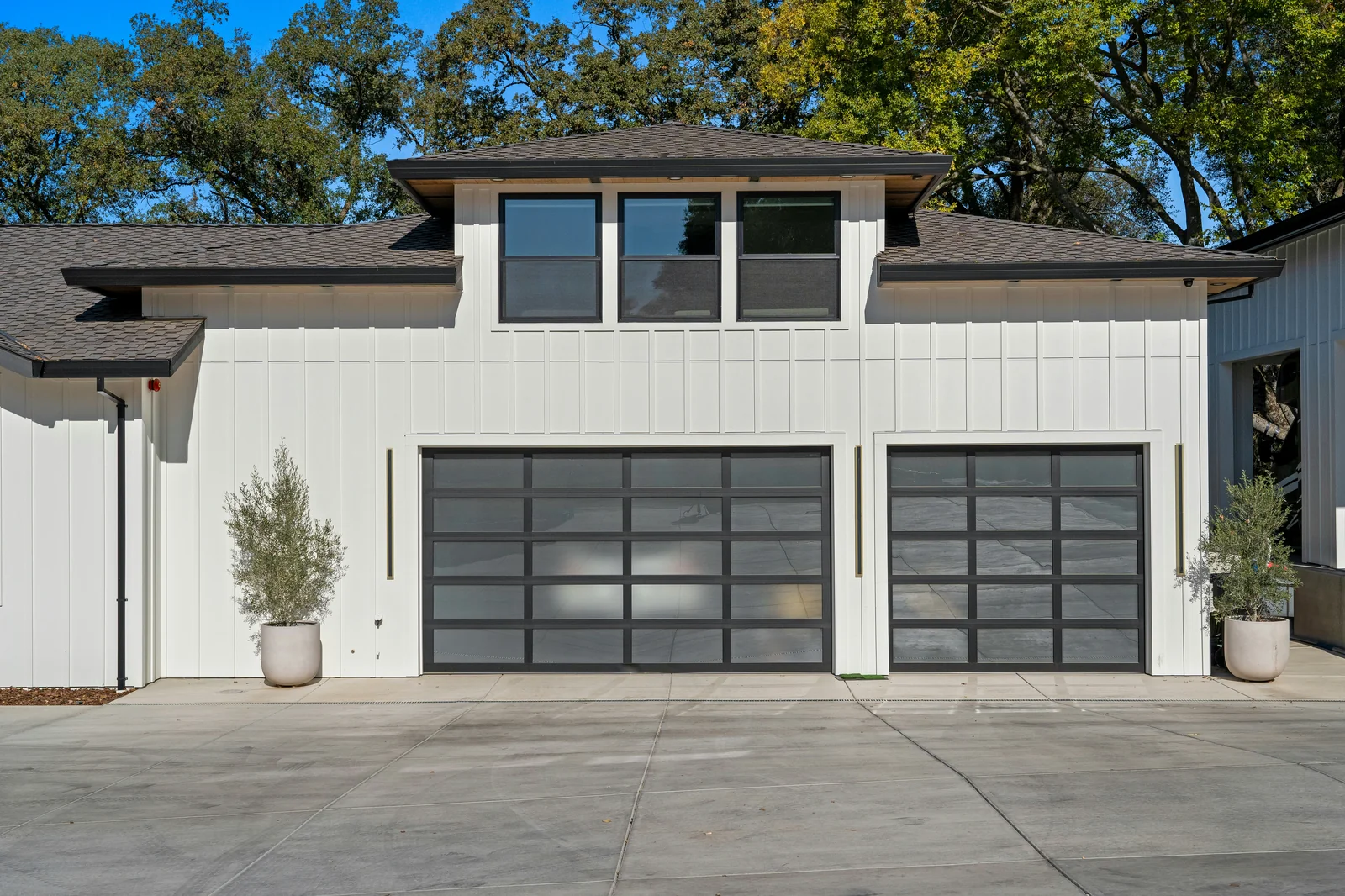
- Full glass + aluminum frame (modern): $3,000–$10,000
- Add a new opener: +$350–$800
- National median installed (steel, single): $1,500
State-level estimates below derived from BLS Regional Price Parity (2022) applied to national median. Quarterly refresh.
The honest answer
Most homeowners replace a garage door every 20–30 years. The decision is rarely about the door failing — usually it's a face-lift before selling, an insulation upgrade after finishing the garage, or storm damage on a coastal home. Whatever your trigger, the install itself is 4–8 hours of work for a two-person crew, and the door is typically delivered ready-to-hang from a regional distributor.
The single biggest cost driver is material. Steel (about 70% of US homes) is the volume default at $800–$2,500 installed for a single door. Wood doubles or triples that price — beautiful but maintenance-heavy. Glass + aluminum is the modern-design upcharge: light passes through, but you pay $3,000–$10,000 for the privilege.
The second driver is insulation. Uninsulated doors are cheapest but if the garage is attached or has rooms above, you'll feel it on your heating bill. R-12 to R-16 polyurethane-injected panels add 15–35% to the door price but pay back inside 5–8 years if your garage temperature swings drive HVAC use upstairs.
Most quotes include tear-out and disposal of the old door ($50–$150 worth of labor), but always confirm in writing. A small but persistent share of contractors leave the old door panels in your driveway expecting you to handle disposal yourself.
Material comparison — what you actually get
| Material | Installed price (single) | Lifespan | Maintenance | Best for |
|---|---|---|---|---|
| Steel (24-gauge) | $800–$2,500 | 20–25 years | Paint touch-up every 5–7 years | Most homes; durable, dent-resistant |
| Aluminum + glass | $1,200–$3,500 | 15–20 years | Glass cleaning, dent risk | Modern designs, sunny climates |
| Wood (cedar/hemlock) | $2,500–$8,000 | 15–30 years | Refinish every 3–5 years | Premium curb appeal; mild climates |
| Composite / faux wood | $1,800–$4,500 | 20–25 years | Minimal — wash annually | Wood look, low maintenance |
| Full glass (aluminum frame) | $3,000–$10,000 | 15–20 years | Glass cleaning, frame inspection | Studio/showroom feel, daytime light |
Insulation — when R-value matters
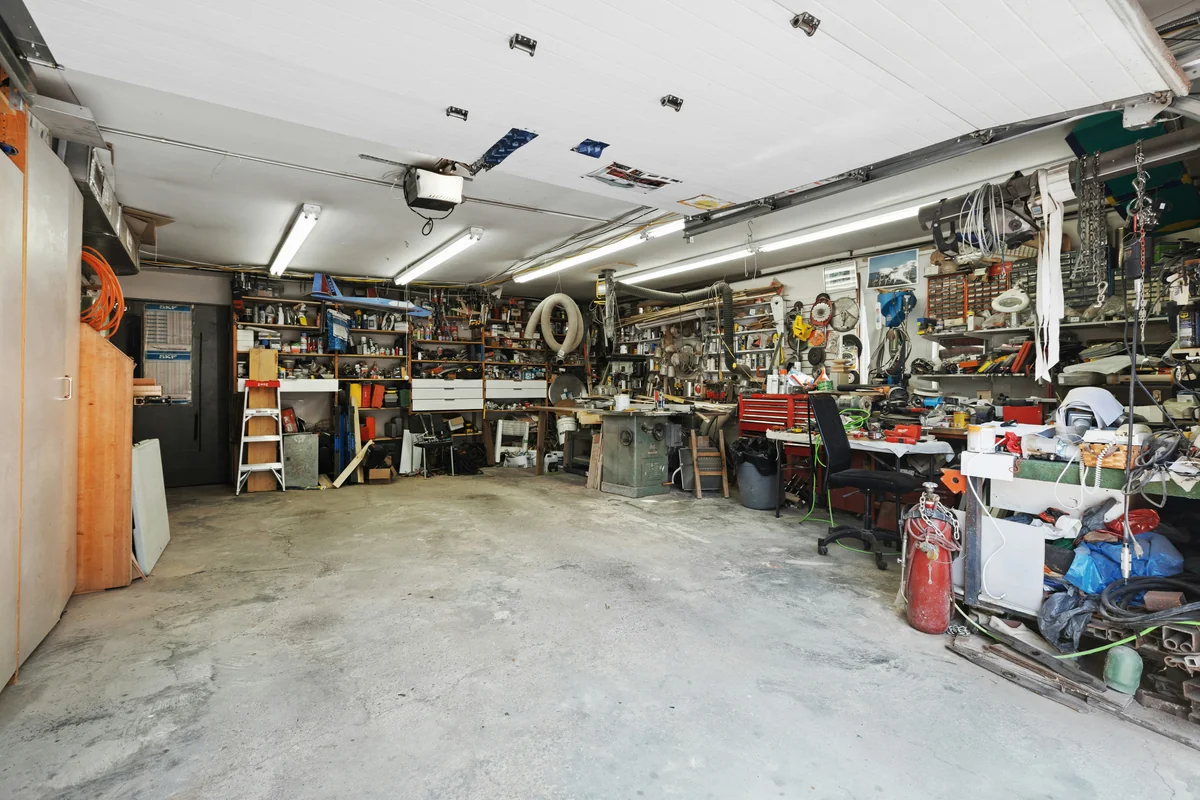
If your garage is detached and you only use it for car storage, skip insulation and save $200–$500. If the garage is attached to your house, has a room above it (bonus room, bedroom), or doubles as a workshop, the math flips.
R-6 to R-8 (polystyrene foam panel) is the entry tier — cuts garage temperature swings by 8–12°F. Good for car comfort, not enough for living space above.
R-12 to R-16 (polyurethane foam-injected) matches the wall R-value most building codes target for new construction. This is the right tier if the garage shares a wall or ceiling with conditioned space.
R-18+ (premium polyurethane) is overkill for most US climates and adds $300–$500 for marginal gain — worth it in northern-tier states (MN, ND, ME) or southern climates where you fight against extreme cooling loads.
State-by-state installed price
Installed prices for a standard single-car steel door across all 50 states + DC. Estimates apply Bureau of Labor Statistics Regional Price Parity (2022, all-items) to the national median of $1,500. Highest: DC ($1,815), Hawaii ($1,755), California ($1,740). Lowest: Arkansas ($1,275), Mississippi ($1,275), West Virginia ($1,290).
| State | Low | Typical | High |
|---|---|---|---|
| Alabama | $686 | $1,290 | $3,007 |
| Alaska | $840 | $1,590 | $3,705 |
| Arizona | $786 | $1,485 | $3,460 |
| Arkansas | $675 | $1,275 | $2,971 |
| California | $921 | $1,740 | $4,054 |
| Colorado | $810 | $1,530 | $3,565 |
| Connecticut | $827 | $1,560 | $3,635 |
| Delaware | $786 | $1,485 | $3,460 |
| District of Columbia | $961 | $1,815 | $4,230 |
| Florida | $786 | $1,485 | $3,460 |
| Georgia | $733 | $1,380 | $3,216 |
| Hawaii | $929 | $1,755 | $4,089 |
| Idaho | $733 | $1,380 | $3,216 |
| Illinois | $786 | $1,485 | $3,460 |
| Indiana | $716 | $1,350 | $3,145 |
| Iowa | $707 | $1,335 | $3,110 |
| Kansas | $707 | $1,335 | $3,110 |
| Kentucky | $690 | $1,305 | $3,040 |
| Louisiana | $716 | $1,350 | $3,145 |
| Maine | $762 | $1,440 | $3,355 |
| Maryland | $834 | $1,575 | $3,670 |
| Massachusetts | $874 | $1,650 | $3,845 |
| Michigan | $739 | $1,395 | $3,250 |
| Minnesota | $762 | $1,440 | $3,355 |
| Mississippi | $675 | $1,275 | $2,971 |
| Missouri | $707 | $1,335 | $3,110 |
| Montana | $729 | $1,380 | $3,215 |
| Nebraska | $722 | $1,365 | $3,180 |
| Nevada | $771 | $1,455 | $3,390 |
| New Hampshire | $802 | $1,515 | $3,530 |
| New Jersey | $834 | $1,575 | $3,670 |
| New Mexico | $707 | $1,335 | $3,110 |
| New York | $914 | $1,725 | $4,020 |
| North Carolina | $733 | $1,380 | $3,216 |
| North Dakota | $722 | $1,365 | $3,180 |
| Ohio | $716 | $1,350 | $3,145 |
| Oklahoma | $690 | $1,305 | $3,040 |
| Oregon | $812 | $1,530 | $3,565 |
| Pennsylvania | $771 | $1,455 | $3,390 |
| Rhode Island | $795 | $1,500 | $3,495 |
| South Carolina | $707 | $1,335 | $3,110 |
| South Dakota | $699 | $1,320 | $3,075 |
| Tennessee | $716 | $1,350 | $3,145 |
| Texas | $771 | $1,455 | $3,390 |
| Utah | $771 | $1,455 | $3,390 |
| Vermont | $795 | $1,500 | $3,495 |
| Virginia | $795 | $1,500 | $3,495 |
| Washington | $850 | $1,605 | $3,740 |
| West Virginia | $683 | $1,290 | $3,005 |
| Wisconsin | $746 | $1,410 | $3,285 |
| Wyoming | $722 | $1,365 | $3,180 |
Source: National median $1,500 × BLS Regional Price Parity (2022). Single-door, mid-tier steel, basic insulation. Custom or double doors run 60–110% higher. Verify with 2–3 local quotes before scheduling.
Six factors that move your final number
1. Door size. Single 8-ft doors are the volume default. 9-ft singles add 5–8%. Double doors (16-ft) run 50–80% more than singles — more material, second spring system, longer install time. Custom 10-ft+ tall doors (RV-height garages) jump 80–120%.
2. Material tier. See the comparison table above. Steel base; wood 2–3×; full glass 3–4×.
3. Insulation. Uninsulated baseline. R-8 adds 12–18%. R-16 adds 25–35%. R-18+ adds 40–50%.
4. Windows / decorative inserts. A row of small windows adds $200–$500. Decorative carriage-house hardware adds $150–$350. Both are popular for curb-appeal projects pre-sale.
5. Opener. Keeping a working under-10-year opener saves $250–$800. New chain-drive: $350–$500 installed. Belt-drive (quieter, recommended if a bedroom sits above): $450–$650. Jackshaft wall-mount (no ceiling rail): $600–$900.
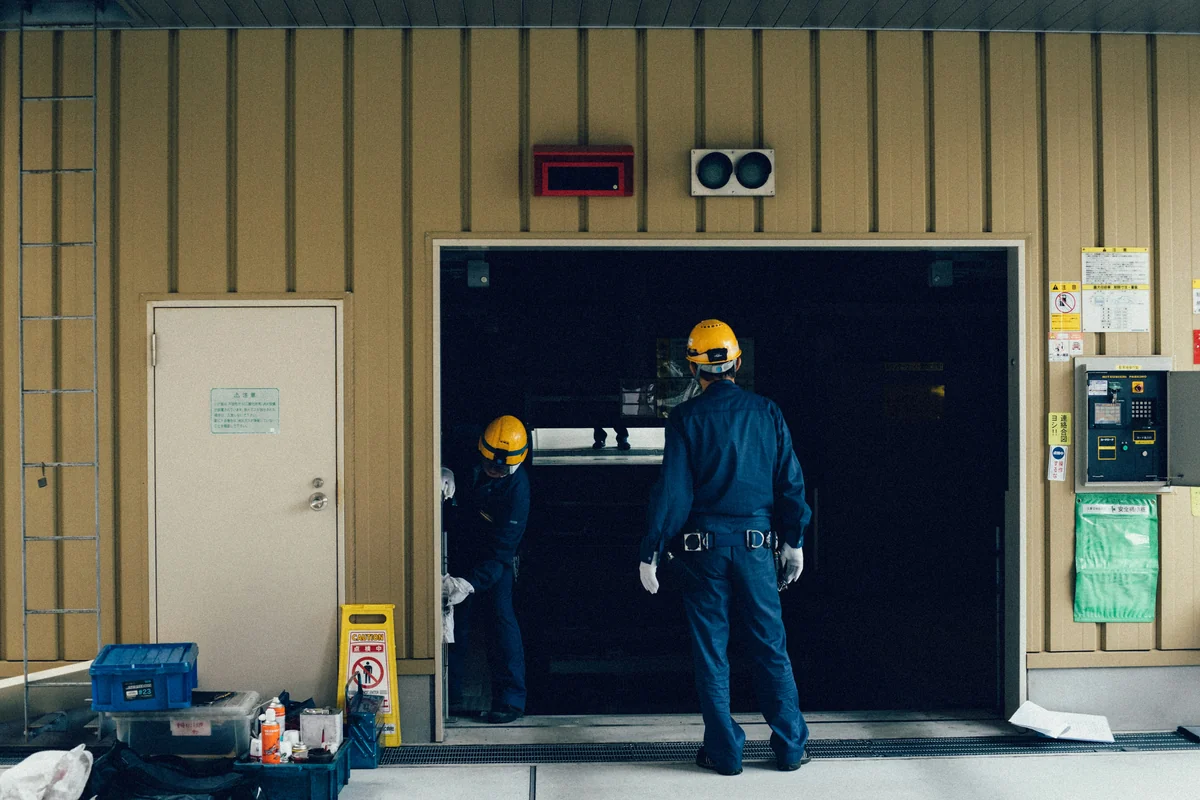
6. Removal and disposal. Most quotes include this ($50–$150 of labor). If a contractor quotes notably below local market, check whether removal is excluded — it's the most common hidden line item.
Estimate your specific cost
DIY or hire a pro?
Garage door installation is not a beginner DIY project. Section panels need to be aligned within 1/8 inch or the door binds. Torsion springs require calibrated winding bars and store enough energy to break a wrist. Track positioning requires plumb and level reads, plus header reinforcement on some installs. The labor portion of an installed quote is usually $200–$400 — there's not much margin to recover by going DIY, and the failure modes are expensive.
The realistic DIY scope is panel-by-panel replacement on an existing track if you've damaged a single section. Full new-door installs (especially with new opener) are pro work. If you're determined to DIY, watch the manufacturer's install video end-to-end, buy the winding bars (not borrowed), and have a second person for the entire spring portion.
| Your situation | Recommendation |
|---|---|
| Replacing a single damaged panel on existing tracks | DIY plausible ($200–$500 panel + tools) |
| Full new door, existing tracks salvaged | Hire pro ($800–$1,800 installed) |
| Full new door + new tracks + new opener | Hire pro ($1,500–$3,500 installed) |
| Wood, custom, or glass door | Hire pro — manufacturer warranties often require it |
Frequently asked questions
How long does garage door installation take?
Do I need to replace the opener with the door?
Is removal of the old door included in the quote?
What's the difference between R-8, R-12, and R-16 insulation?
Steel, wood, or aluminum — which holds up best?
Do I need a permit for garage door installation?
How much does the opener add to total cost?
More garage door installation guides
Deep-dives covering specific scenarios, brand choices, and decision points for this service.
- Custom Garage Door Cost 2026: Wood, Steel, Glass + Premium Styles � →
- Garage Door Opener Installation Cost 2026: Drive Types + Pro vs DIY � →
- Insulated Garage Door Cost 2026: R-Value Tiers + ROI � →
- LiftMaster vs Genie Garage Opener Cost 2026: Brand Comparison � →
- New Construction Garage Door Cost 2026: Builder Spec vs Upgrade Guide � →
- Sectional vs Roll-Up Garage Door: Cost and Best Use (2026) � →
Related: Garage door spring replacement cost — if your existing door works fine but a spring broke, that's a $150–$400 fix.
About this data. National baseline of $1,500 derives from aggregated 2026 quote data across major lead-gen platforms. State-level figures apply Bureau of Labor Statistics Regional Price Parity (2022, all-items) to the national baseline. We refresh quarterly and welcome corrections — email [email protected] if a local quote you received falls materially outside our state range. See full methodology.